
Borderless Africa Explained: Why Free Movement is the Key to Africa's Future
By Hardi Yakubu
Africa's Greatest Opportunity Lies in Unity
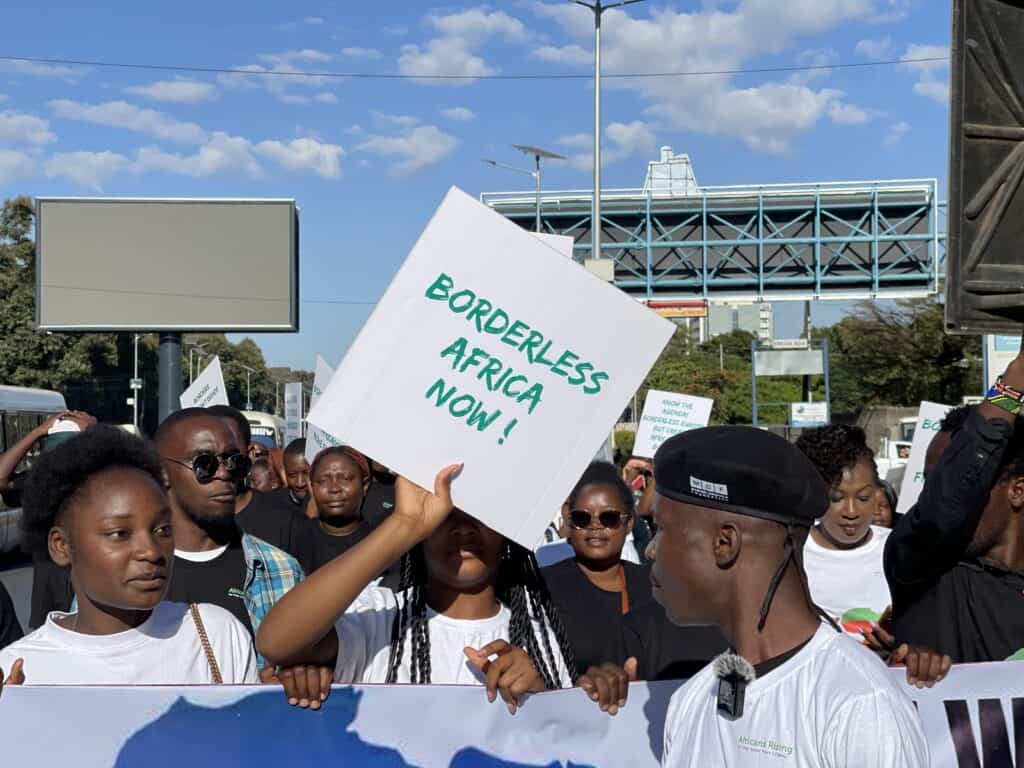
This world is changing rapidly. Wars in Europe and the Middle East, rising energy prices, climate change, economic uncertainty, and growing competition for natural resources are reshaping global politics and economics. In the midst of these changes, Africa finds itself at the centre of global attention. The continent possesses some of the world’s most valuable mineral reserves, vast agricultural potential, a rapidly growing population, and one of the youngest workforces on earth. Yet despite these advantages, Africa often engages the world from a position of weakness. The reason is simple: Africa remains politically and economically fragmented. The solution is not merely more foreign investment or aid. It is deeper African integration. A Borderless Africa where Africans can move, trade, work, invest, and live freely across the continent may be the single most important step toward unlocking Africa’s full potential.
What is Borderless Africa?
Borderless Africa is a Pan-African vision that promotes the free movement of people, goods, services, and capital across the African continent. The concept aligns closely with the African Union’s Agenda 2063, and the Protocol on Free Movement of Persons, adopted in 2018 as a flagship initiative to advance visa-free movement
In practical terms, a Borderless Africa would include:
- Visa-free travel for Africans within Africa.
- Easier cross-border trade and investment.
- A single currency
- a common African passport and deeper economic integration.
While critics may want to paint Borderless Africa as a utopian dream, the idea keeps building momentum. Recent announcements on visa policies by Ghana, Togo, DRC show the growing impact of the campaign. It is consistent with the African Union’s aspiration for “an integrated continent, politically united and based on the ideals of Pan-Africanism,” as outlined in Agenda 2063: The Africa We Want.
Why the world is increasingly interested in Africa
Africa’s strategic importance is growing. The continent holds approximately 30% of the world’s mineral reserves, including many of the critical minerals required for renewable energy technologies, electric vehicles, batteries, and modern electronics. Africa also contains roughly 60% of the world’s remaining uncultivated arable land, according to the African Development Bank, making it central to both global food security and future agricultural expansion.
At the same time, global powers are competing to secure access to resources, markets, and strategic influence across the continent. Projects such as the Lobito Corridor, China’s Belt and Road Initiative, and the European Union’s Global Gateway programme illustrate the geopolitical competition over Africa’s resources. While foreign investment can contribute to development, history shows that external actors often prioritize access to resources and profits over the long-term transformation of African economies. The question therefore is not whether Africa should engage with the world. The question is whether Africa will engage as different separate states or as a united bloc.
The Cost of Africa's Fragmentation
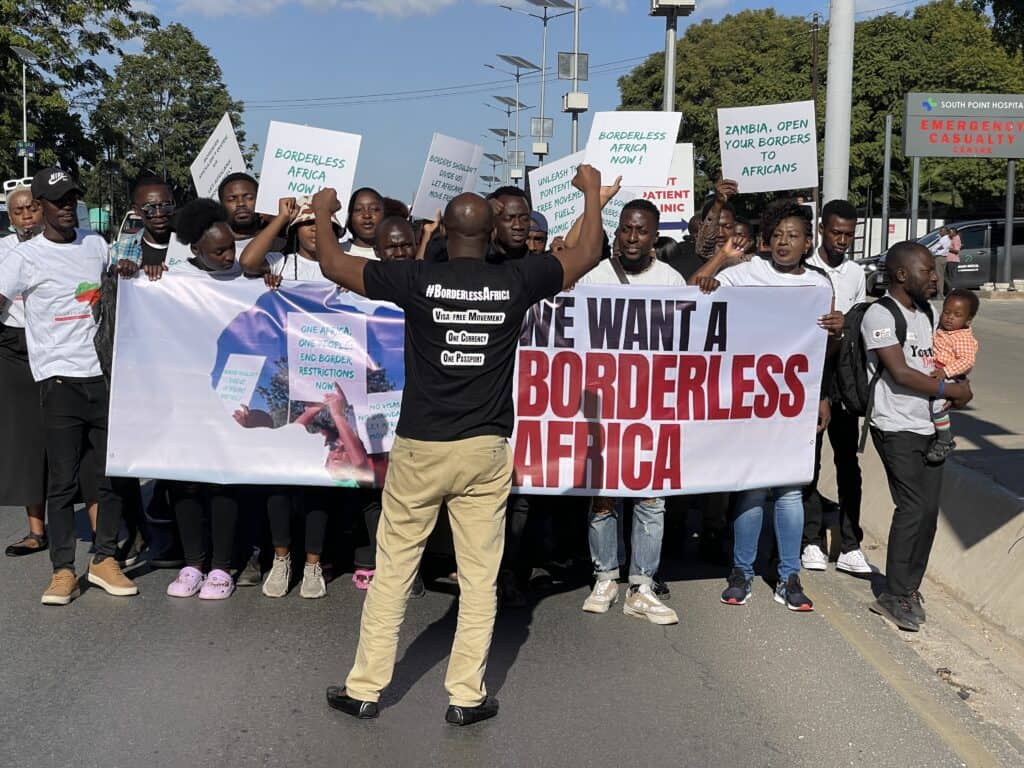
To our detriment, global powers competing for Africa’s resources engage African countries individually rather than collectively. This fragmentation weakens Africa’s bargaining power. When African countries negotiate separately, they compete against one another for investment, markets, and influence. As a result, they frequently accept less favourable terms than they might secure through collective action. Africa’s division also increases:
- Trade barriers between neighbouring countries.
- Travel costs and visa restrictions.
- Duplication of infrastructure and regulations.
- Economic inefficiencies.
- Vulnerability to external political and economic pressure.
In a world increasingly organized around large economic blocs, fragmentation is becoming an expensive luxury that Africa can no longer afford.
The Economic Case for a Borderless Africa
Africa’s greatest assets are already within Africa.
- A young and growing Population
According to United Nations demographic projections, more than 60% of Africans are under the age of 25, making Africa the youngest continent in the world and positioning it to supply a significant share of the global workforce in the coming decades. This demographic advantage can become a powerful engine for economic growth—if people can move freely to where opportunities exist.
- Agricultural Potential
Africa’s vast agricultural resources provide an opportunity not only to achieve food security but also to become a major exporter of agricultural products. However, fragmented markets and border restrictions often prevent producers from accessing consumers across the continent.
- Natural Resources
Africa possesses enormous reserves of critical minerals needed for the global energy transition. Without stronger continental cooperation, these resources risk being extracted with limited value addition occurring within Africa. With greater integration, Africa can develop regional value chains, processing industries, and manufacturing sectors that retain more wealth on the continent.
Why Free Movement Matters for AfCFTA
The African Continental Free Trade Area (AfCFTA) is the world’s largest free trade area by number of participating countries, bringing together 55 countries and a market of approximately 1.4 billion people. Its success depends not only on moving goods across borders but also on moving people. Entrepreneurs need to travel. Investors need to travel. Workers need to travel. Researchers need to collaborate. Businesses need access to talent and markets across borders.
Yet Africans still require visas or travel authorizations for most journeys within their own continent. This contradiction undermines the full potential of AfCFTA. Trade integration cannot achieve its full promise if Africans themselves cannot move freely to create businesses, build partnerships, and pursue opportunities.
What Are the Benefits of Visa-Free Travel in Africa?
Visa-free travel can generate benefits across multiple sectors.
- Increased Trade
Fewer travel barriers make it easier for entrepreneurs and businesses to explore markets, build partnerships, and expand operations.
- Job Creation
Workers gain access to employment opportunities beyond their home countries, helping address labour shortages and unemployment.
- Tourism Growth
A more open Africa would stimulate intra-African tourism, creating jobs and generating revenue.
- Innovation and Knowledge Sharing
Scientists, students, entrepreneurs, and professionals can collaborate more easily across borders.
- Stronger African Identity
Free movement encourages cultural exchange and strengthens the sense of belonging to a shared African community.
Lessons from Existing Regional Integration Efforts
The idea of free movement is not without precedent. The Economic Community of West African States and the East African Community have already demonstrated the benefits of freer movement and regional cooperation. Despite implementation challenges, millions of West Africans travel, trade, and work across borders under ECOWAS protocols.
The challenge now is scaling these initiatives across the entire continent.
FAQ
Lorem ipsum dolor sit amet, consectetur adipiscing elit. Ut elit tellus, luctus nec ullamcorper mattis, pulvinar dapibus leo.
Is Borderless Africa the same as AfCFTA?
No. AfCFTA focuses primarily on reducing barriers to trade in goods and services. Borderless Africa goes further by advocating the free movement of people, labour, capital, and eventually deeper political and economic integration.
What is the African Union Protocol on Free Movement of Persons?
The protocol is an African Union initiative designed to allow Africans to move, reside, and establish businesses across member states with fewer restrictions. It is a flagship project under Agenda 2063.
Why does visa-free movement matter for African development?
Visa restrictions increase travel costs, limit business opportunities, constrain labour mobility, and reduce economic integration. Removing unnecessary barriers can accelerate trade, investment, and innovation.
Would a Borderless Africa threaten security?
Not necessarily. Unity and collaboration between African countries would rather be better for security than going it alone. Crime and violence are already borderless making current isolated security measures inadequate.
Would a Borderless Africa threaten security?
Not necessarily. Unity and collaboration between African countries would rather be better for security than going it alone. Crime and violence are already borderless making current isolated security measures inadequate.
Reclaiming Africa's Agency in a Changing World
Africa stands at a historic crossroads. Its population is growing. Its strategic importance is increasing. Its resources are becoming more valuable. Its markets are expanding. But these advantages alone will not guarantee prosperity. A fragmented Africa risks remaining a battleground for external interests. A united Africa can become a decisive force in shaping the future global order. The choice before the continent is therefore larger than visa policy or trade agreements.
It is a choice between fragmentation and collective strength.
Borderless Africa goes beyond crossing borders more easily. It holds the potential for unlocking economic opportunity, strengthening African agency, and building a future in which Africa’s wealth and potential serve Africans first. The future belongs to a Borderless Africa.
Sources and Further Reading
- African Union. Agenda 2063: The Africa We Want
- African Union. Protocol on Free Movement of Persons, Right of Residence and Right of Establishment
- United Nations Economic Commission for Africa. AfCFTA: What You Need to Know
- African Development Bank. Visa Openness Index Reports.
- United Nations Population Division. World Population Prospects.
About the Author
This article was produced by Hardi Yakubu, Movement Coordinator of Africans Rising, as part of the Borderless Africa Campaign, a Pan-African initiative of Africans Rising that advocates for the removal of visas for intra-African travel, a single African currency and passport.
Africans Rising is a pan-African movement of people and organizations working for justice, peace, and dignity across Africa through citizen-led action and solidarity.