
By Ọmọlọlá Pedro For Africans Rising Feminist Taskforce
Every year on May 23, the world marks the International Day to End Obstetric Fistula — a day dedicated to raising awareness about one of the most devastating yet preventable childbirth injuries affecting women and girls, particularly across Africa.
This year’s theme, “Restore Her Dignity. Protect Her Future,” is a reminder that no woman should suffer lifelong pain, stigma, or isolation simply because she tried to give birth.
Obstetric fistula is a serious childbirth injury caused by prolonged or obstructed labour without timely medical intervention. The condition often leaves women with uncontrollable leakage of urine or faeces, infections, and severe physical complications. Beyond the physical pain, many survivors experience emotional trauma, social rejection, and economic hardship.
Despite being both preventable and treatable, thousands of women and girls across Africa continue to live with this condition in silence.
The African Reality
The burden of obstetric fistula remains alarmingly high in sub-Saharan Africa. Globally, more than 500,000 women and girls are estimated to be living with obstetric fistula, with Africa accounting for a significant proportion of these cases.
Each year, between 50,000 and 100,000 new cases are recorded worldwide, many occurring in African countries where access to quality maternal healthcare remains limited. Even more heartbreaking is the fact that around 90 percent of women who develop obstetric fistula experience stillbirths during the prolonged labour that caused the injury.
For many women in rural and underserved communities, reaching a healthcare facility with skilled birth attendants or emergency obstetric services is often difficult. In some cases, women travel long distances for medical care or rely on poorly equipped health centres unable to handle childbirth complications.
Assessments conducted by the United Nations Population Fund (UNFPA) across several African countries have also highlighted shortages of trained medical personnel, surgical equipment, and maternal health services needed to prevent and treat fistula effectively.
Why Does Obstetric Fistula Persist in Africa?
The persistence of obstetric fistula in Africa is deeply connected to poverty, inequality, and weak healthcare systems.
Many women still lack access to quality maternal healthcare, especially emergency obstetric care that could prevent prolonged labour from becoming life-threatening. Child marriage and teenage pregnancy also increase the risk, as young girls’ bodies are often not physically mature enough for safe childbirth.
Gender inequality further worsens the problem. In many communities, women and girls have limited decision-making power regarding their reproductive health, while harmful cultural practices and poor healthcare infrastructure continue to place them at risk.
The Human Cost
For survivors, obstetric fistula is more than a medical condition — it is often a life-altering experience.
Many women face abandonment by spouses and families because of the stigma associated with the condition. Others withdraw from their communities due to shame, isolation, or depression. The inability to work or participate fully in social life also affects their financial independence and overall well-being.
Behind every statistic is a woman whose dignity, confidence, and future have been disrupted by a condition that should never have happened in the first place.
A Call to Action
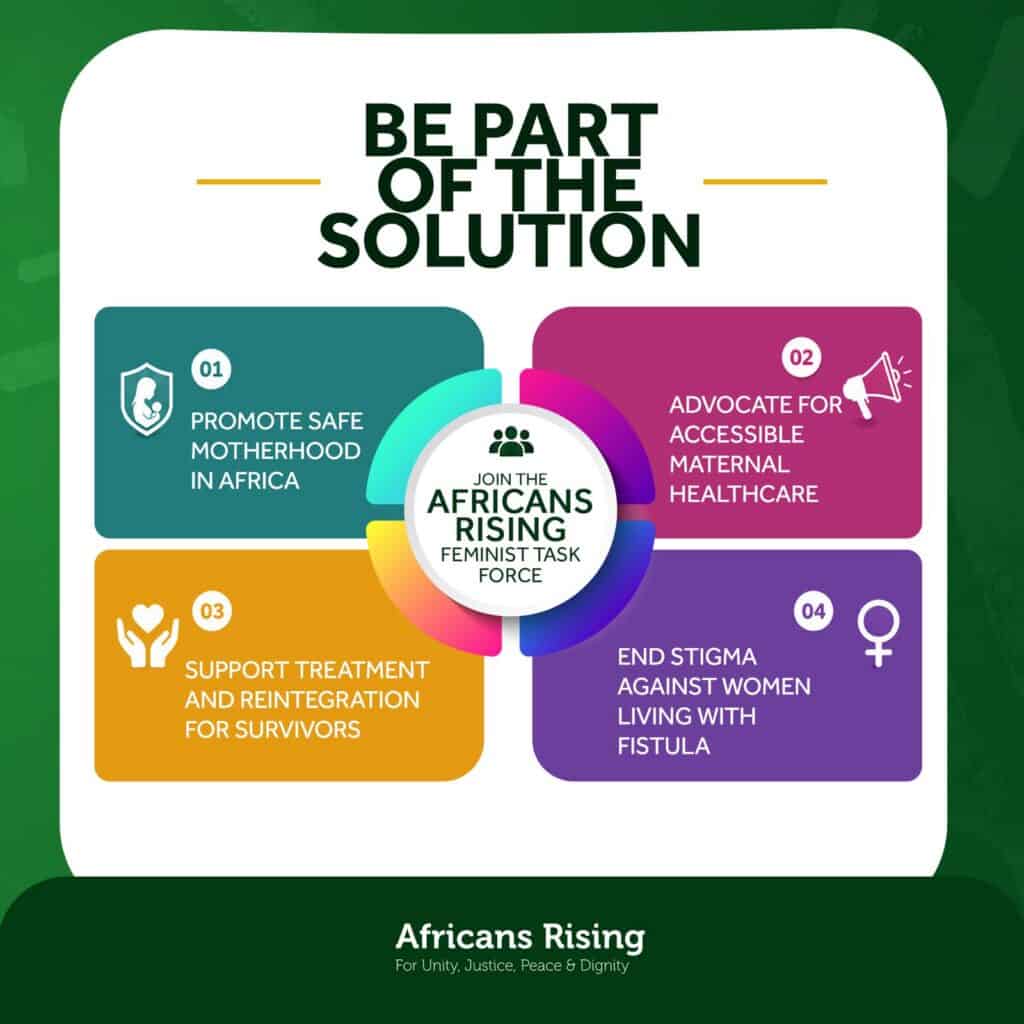
Ending obstetric fistula requires more than awareness campaigns. It demands stronger investments in maternal healthcare, better access to emergency obstetric services, community education, and support systems for survivors.
Governments, healthcare institutions, civil society organisations, and communities all have a role to play in ensuring that women receive safe and respectful maternity care.
We must also challenge the stigma surrounding obstetric fistula by supporting survivors with treatment, reintegration programmes, and compassion instead of discrimination.
On this International Day to End Obstetric Fistula, the message is clear: speak up, support survivors, and save lives.
Every woman deserves safe childbirth, dignity, and the opportunity to live a healthy and fulfilled life.