
The enticing aroma of African cuisine, the essence of African self-image, the emotional toll of borders, the beauty of African clothing, opportunities lost due to borders, the freedom to choose, the barriers created by languages we don’t own, African cultural practices, intergenerational connections, and the mobility of African female artists. These are story ideas pitched by Borderless African feminists writing fellows during their third session.
Moderated by communications expert *Mildred Ngesa*, the webinar revolved around the theme: “Writing Transformatively for Africa: Reporting the Free Movement Protocol through Feminist Stories, Evidence and Imagination.”
The session gathered feminist fellows from all over the continent to delve into how to highlight lived experiences, amplify women’s voices, and spark imagination in the quest for a borderless Africa.
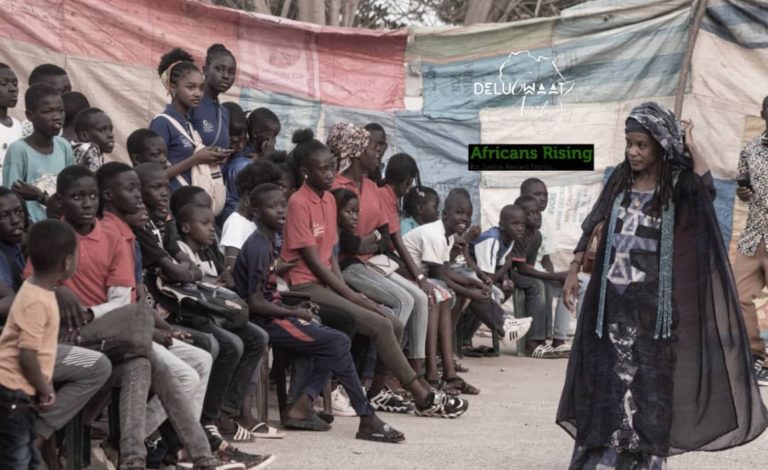
How can we shift away from dry policy jargon and truly capture the essence of the African movement? This was the key question at the third session of the #BorderlessAfrica Feminist Writing Fellowship, organized by Africans Rising.
Anne Rose Osamba, campaign and advocacy lead at Africans Rising, emphasized that “a Borderless Africa also needs fresh narratives about who we are and how we navigate our world.”
Kicking off the discussion, Ngesa prompted participants to share their thoughts on what comes to mind when they think of Africa. Answers ranged from sovereignty, dignity, patriotism to accountability and Ubuntu.
Ngesa encouraged the fellows to reflect on who they are writing for and the reasons behind their writing about Africa. She challenged them to break free from the Western stereotype of Africa being referred to as a “dark continent” and to embrace their pride, decolonize their thoughts, and cultivate a conscious African identity.
“We must write about Africa with pride. Let’s decolonize our minds, celebrate our heritage, and become truly African conscious,” she urged.
Ngesa also tackled 13 common questions surrounding the Borderless Africa campaign:
What does a Borderless Africa mean? What was Africa like before colonialism? Was there life before 1884? Will visas become obsolete? How would free movement function, and could it compromise Africa’s security? How would traders benefit? What distinguishes Borderless Africa from AfCFTA? What is the AU Free Movement Protocol? Would everyone migrate to wealthier nations, and which countries currently allow visa-free entry for Africans? What about job opportunities, and what evidence supports free movement?
The feminists writing fellows pointed out that a borderless Africa would open the door to intermarriage, boost capital flow, provide access to land, allow people the freedom to choose where to live, foster unity, and create job opportunities.
In her second presentation about the Pan-African Feminist Writing Fellowship, Ngesa reiterated the need to move away from negative narratives and instead focus on stories that highlight African voices, agency, and expertise.
“Yes, there’s corruption and bad governance in Africa, but let’s not forget the good things happening in Africa,” she remarked. She encouraged the fellows to celebrate culture, innovation, and youth, to engage with African researchers and local communities, and to shed light on everyday realities.
Ngesa laid out six principles for transformative writing:
- Celebrate culture, innovation, and youth;
- Promote internal collaboration and accountability;
- Write from within, without the need to explain Africa to outsiders;
- Reclaim our history and future;
- Be conscious of language and terminology: “What does ‘Third World’ mean when Africa is the cradle of humanity?”;
- Elevate diverse and marginalized voices.
This Fellowship is part of Africans Rising’s larger initiative to advocate for the ratification and implementation of the African Union Free Movement Protocol.