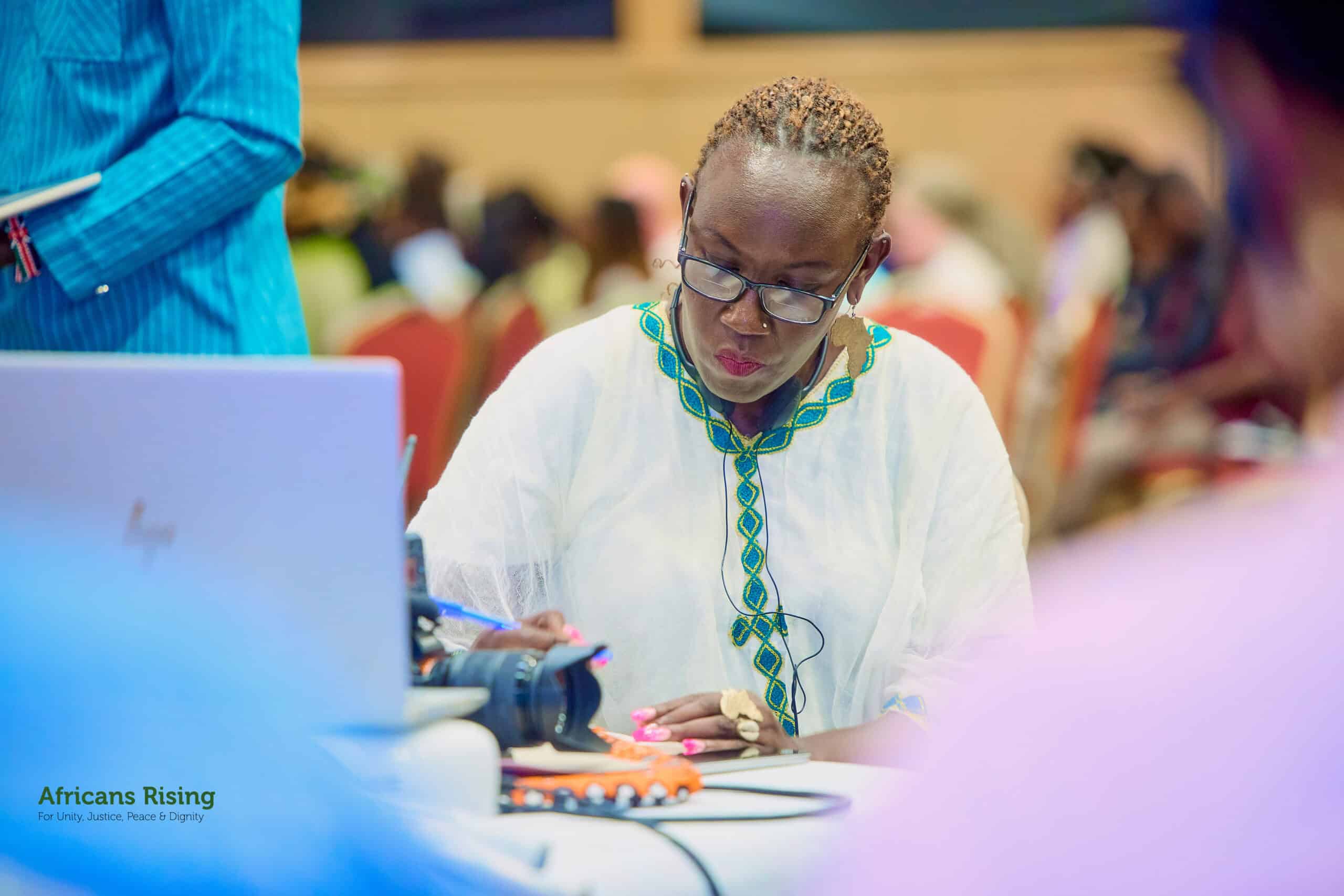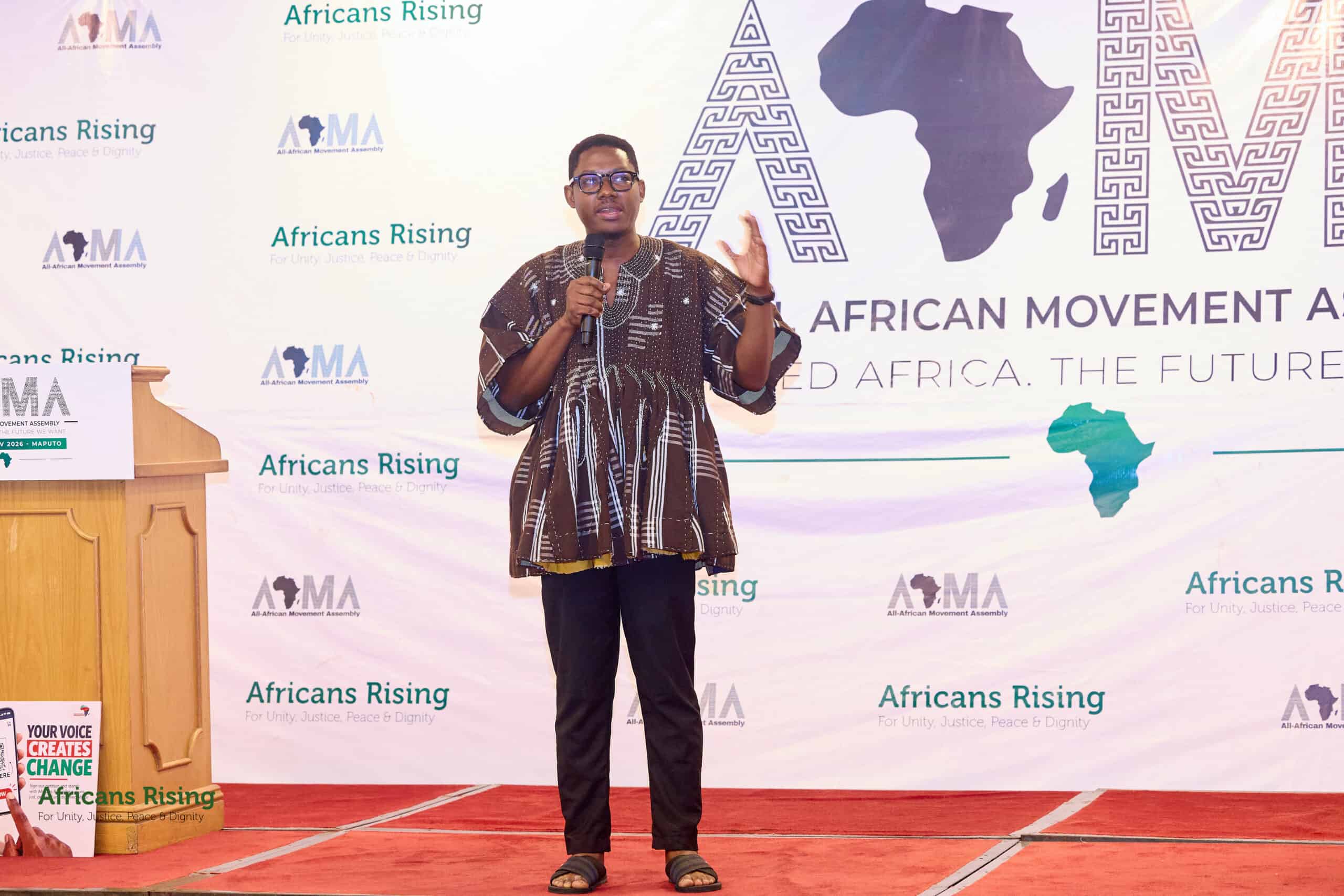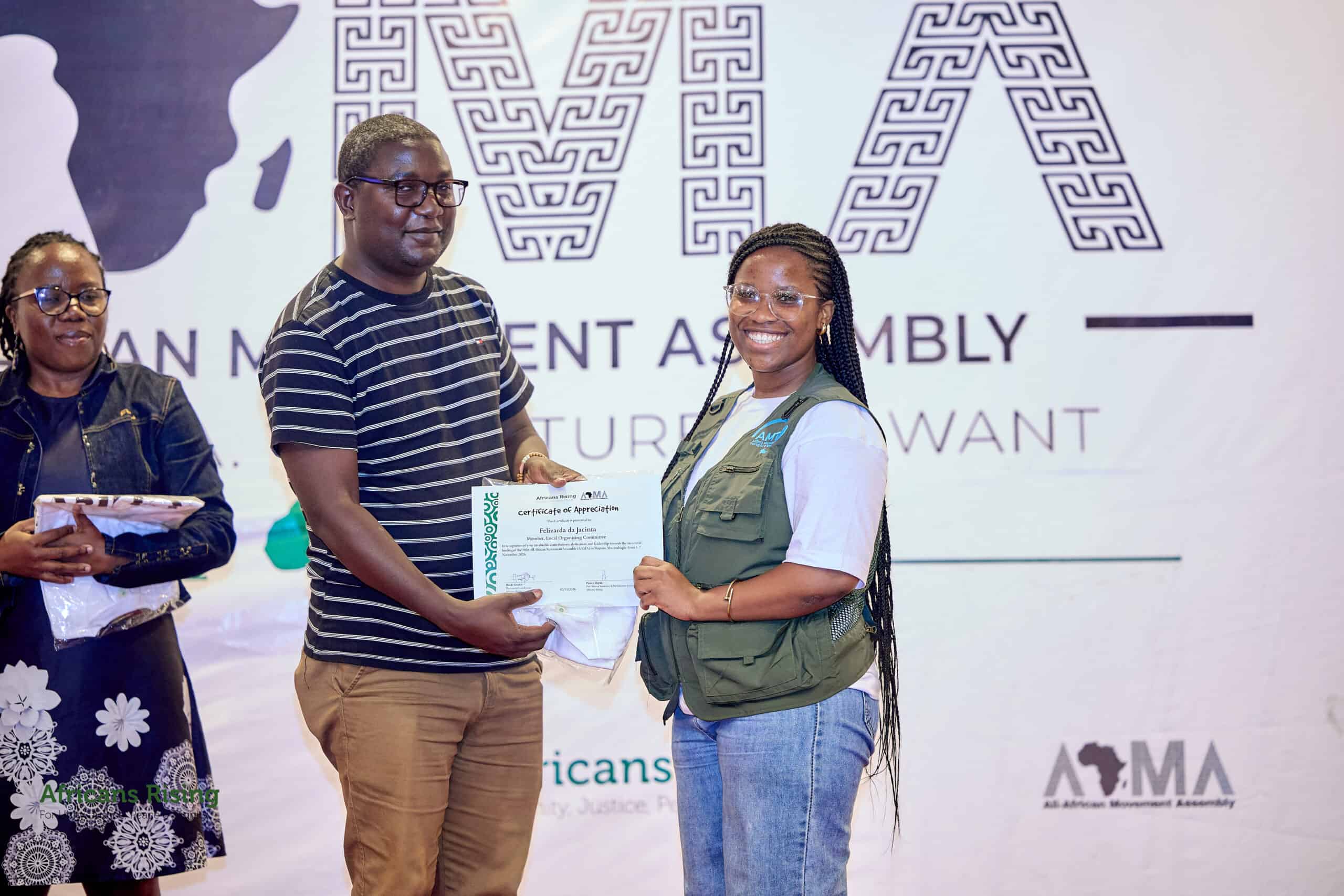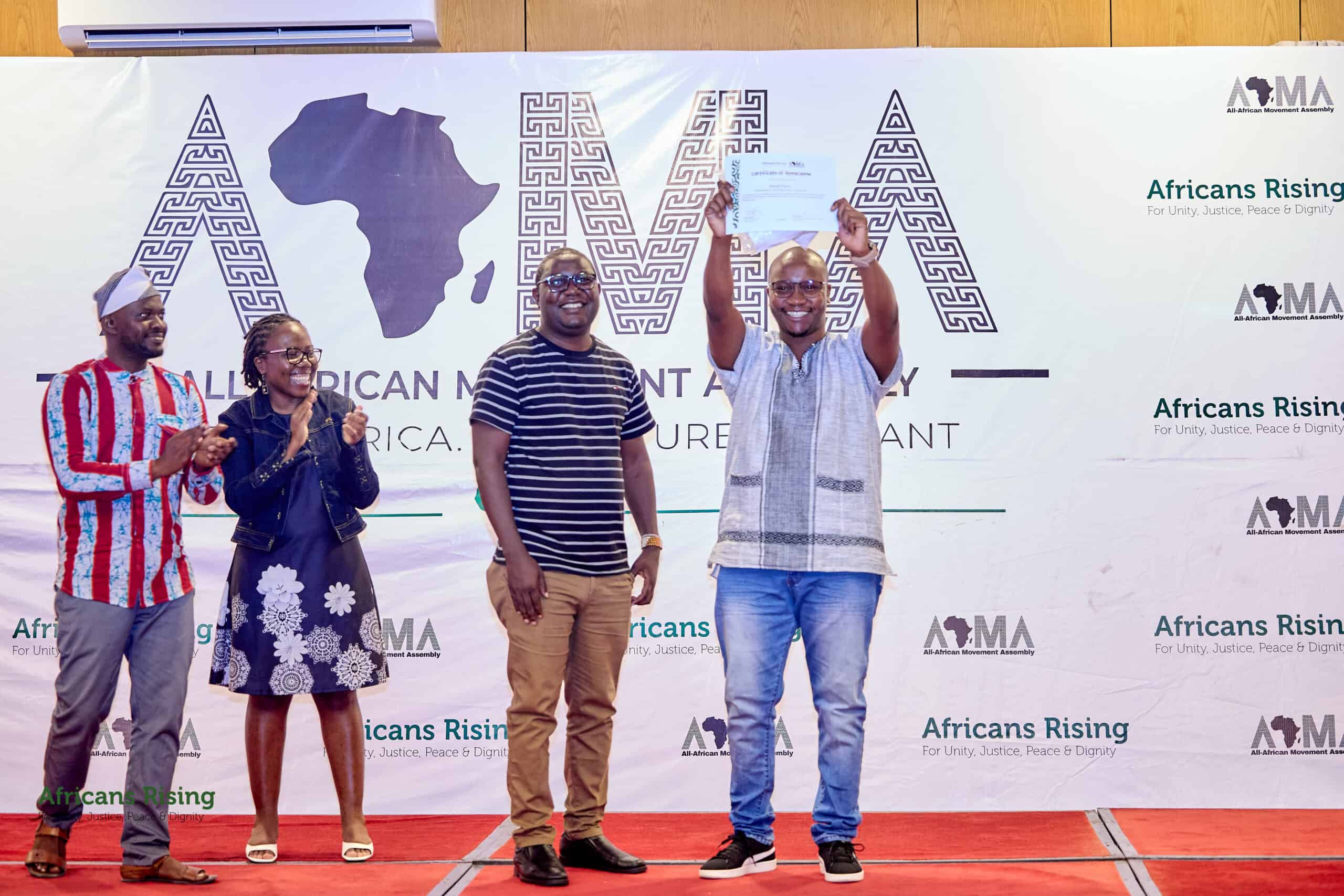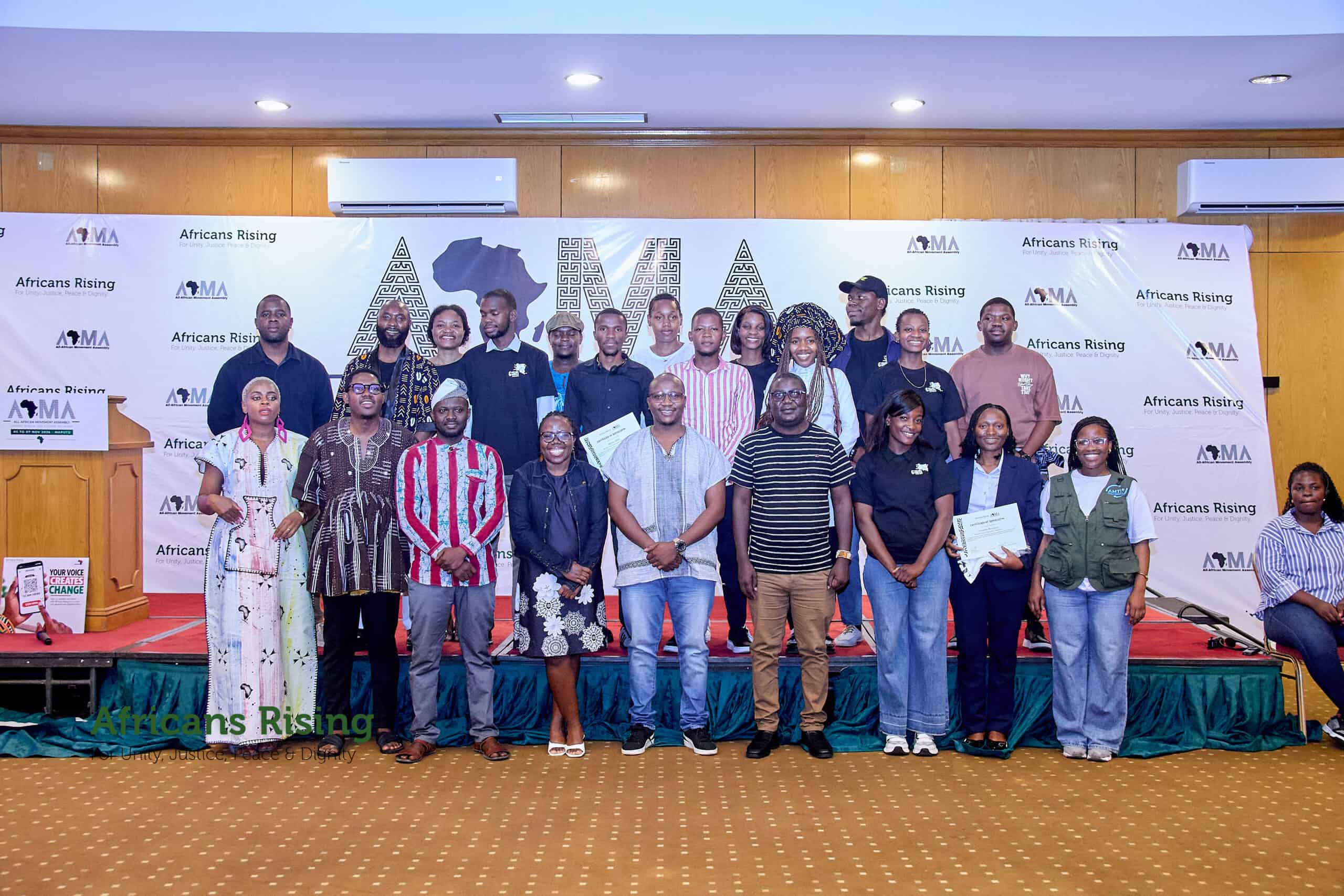
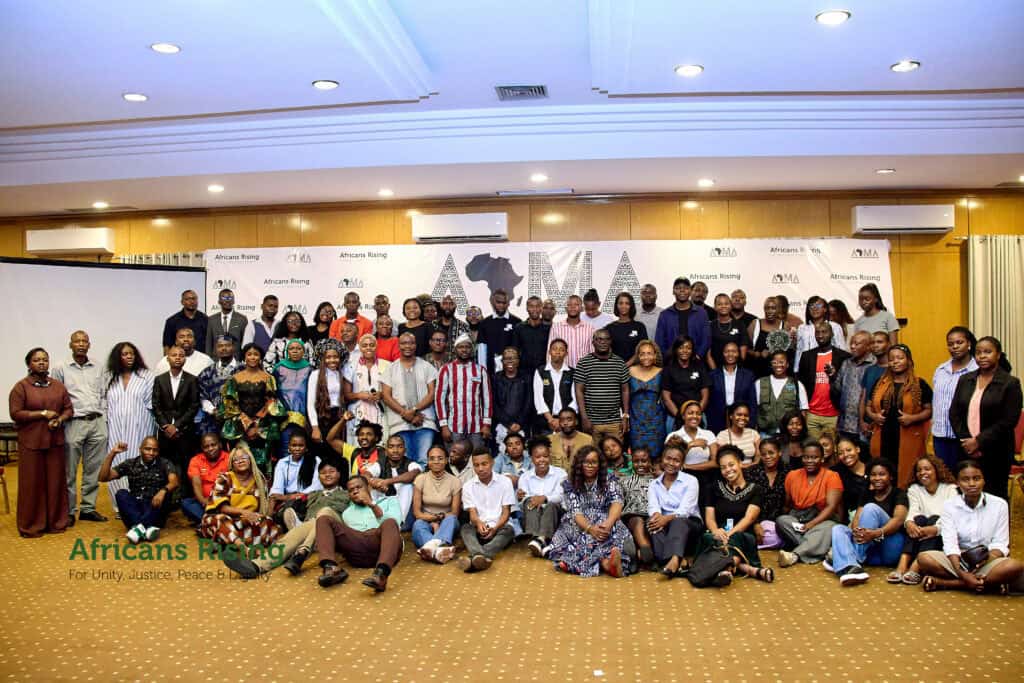
More than 1,000 grassroots organizers, human rights defenders, trade unionists, and feminist leaders have wrapped up the 3rd All-African Movements Assembly (AAMA 2026) in Maputo, Mozambique. Held November 5–7 under the banner “United Africa: The Future We Want,” the gathering produced practical, citizen-led plans to challenge modern imperial resource extraction, advance the African Union Free Movement Protocol, and strengthen emergency protection for frontline activists across the continent.
The assembly opened with spirited liberation chants and a solemn minute of silence in memory of young local activists who recently lost their lives fighting for democratic change in Mozambique.
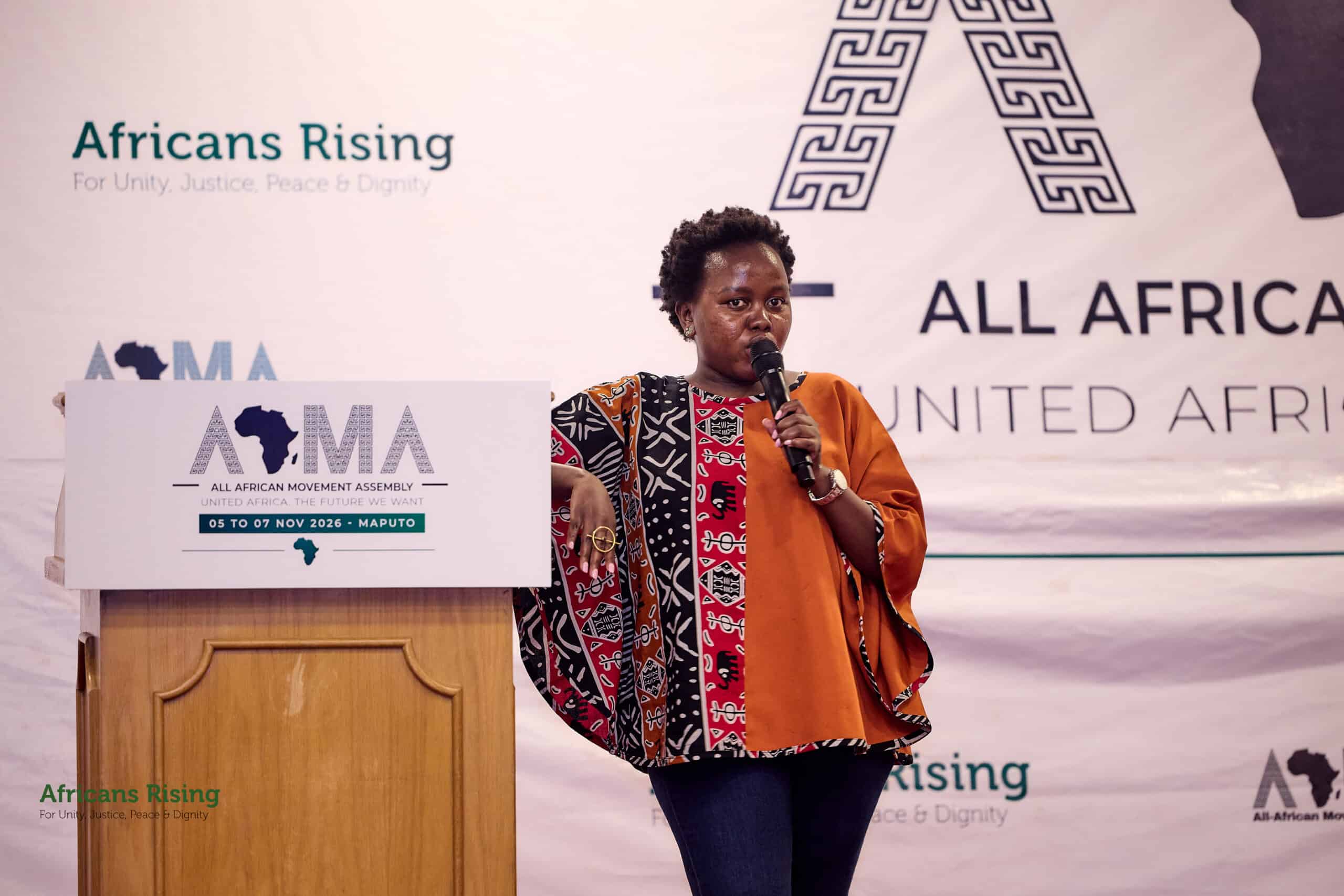
In the opening keynote, Africans Rising Coordinating Collective Co-Chair Lucky Ninsiima stressed that “true liberation is impossible without radical solidarity.” Ninsiima urged delegates to move beyond corporate policy rhetoric and organize to build structural power.
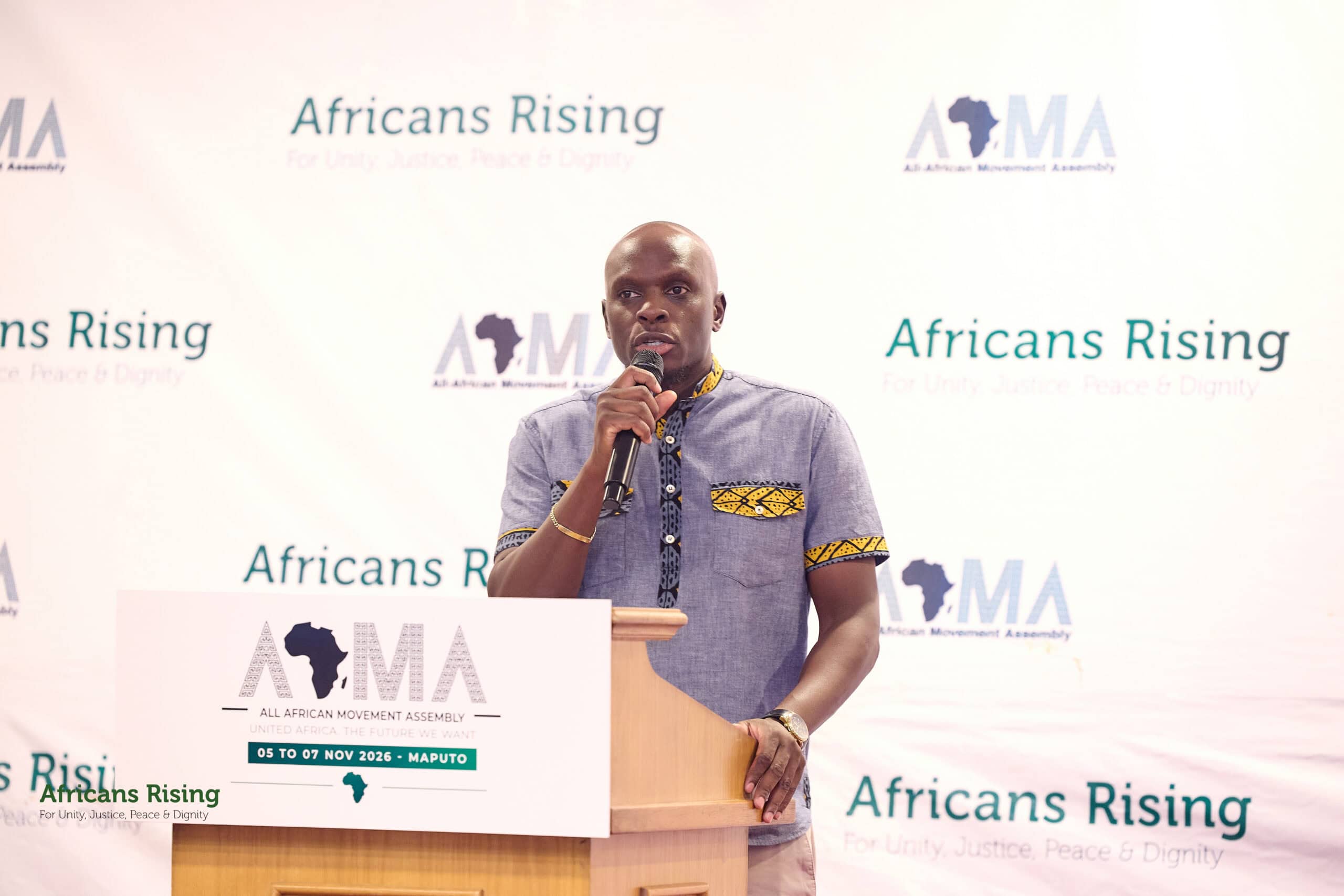
During a major plenary address, Movement Coordinator Hardi Yakubu warned of foreign corporate interference in Africa’s mineral wealth and digital infrastructure. Yakubu pointed to private military tycoons who have openly advocated for recolonizing the continent.
“Imperialists are openly talking of making Africa their source of resources for their so-called AI future while harvesting our data in troves,” Yakubu said. “They will seek to divide us using religion, ethnicity, and politics. Things cannot continue this way. Africa must speak with one voice. Our logical, historical response to this threat is absolute African unity.”
To ground this mandate, delegates marched to the Independence Square and paused at the 1,263-kilogram bronze statue of revolutionary President Samora Machel. His outstretched index finger points toward the Central Bank of Mozambique, a striking reminder that political independence is incomplete without economic sovereignty.
The gathering led grassroots movements into conversation with pan-African institutions. Ambassador Hammed Salah, representing the African Union Commission’s AGA-APSA, speaking about the status of ratification of the AU Free Movement Protocol, delivered a clear message to the continent’s youth:
“Youths don’t destroy. Youth build and keep building until the Africa we want and deserve is fully realized. Youths should be agents of change, not destruction, because they are the leaders of today and tomorrow.”
Joining virtually, Kumi Naidoo, founding chair of Africans Rising, reminded delegates that “the struggle for justice is a marathon, not a sprint.” He urged movements to keep organizing long after they leave Maputo.
To help activists sustain this long-term work, Mwanase Ahmed, coordinator of the Pan-African Solidarity Action Network (PASAN), premiered an animated short film documenting post-election state repression. Ahmed also launched a new legal resource for human rights defenders: “Defending and Advancing Human Rights: A Practical Guide to Advocacy and Litigation Mechanisms.”
Throughout the assembly, delegates showed solidarity across borders with comrades under siege.
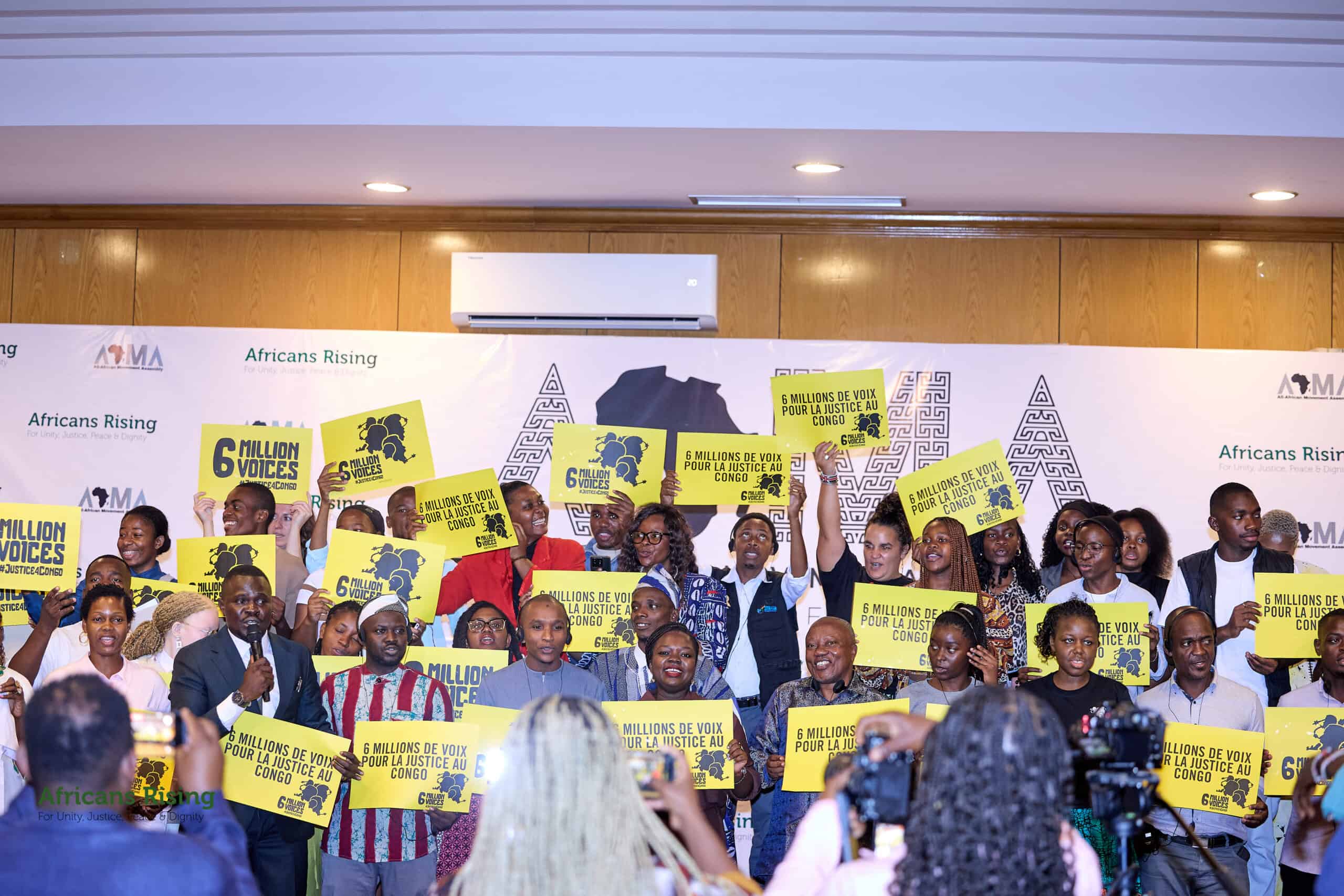
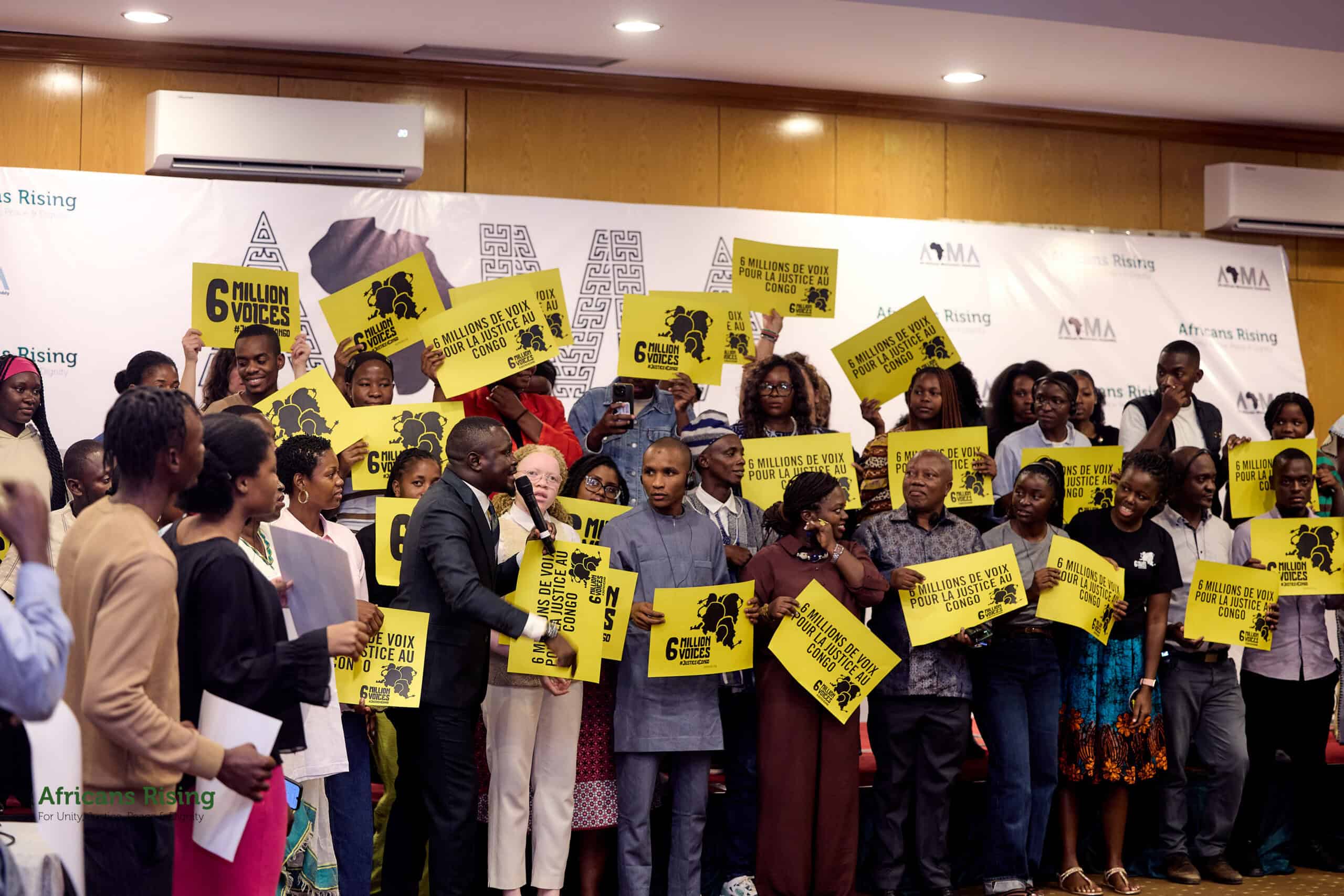
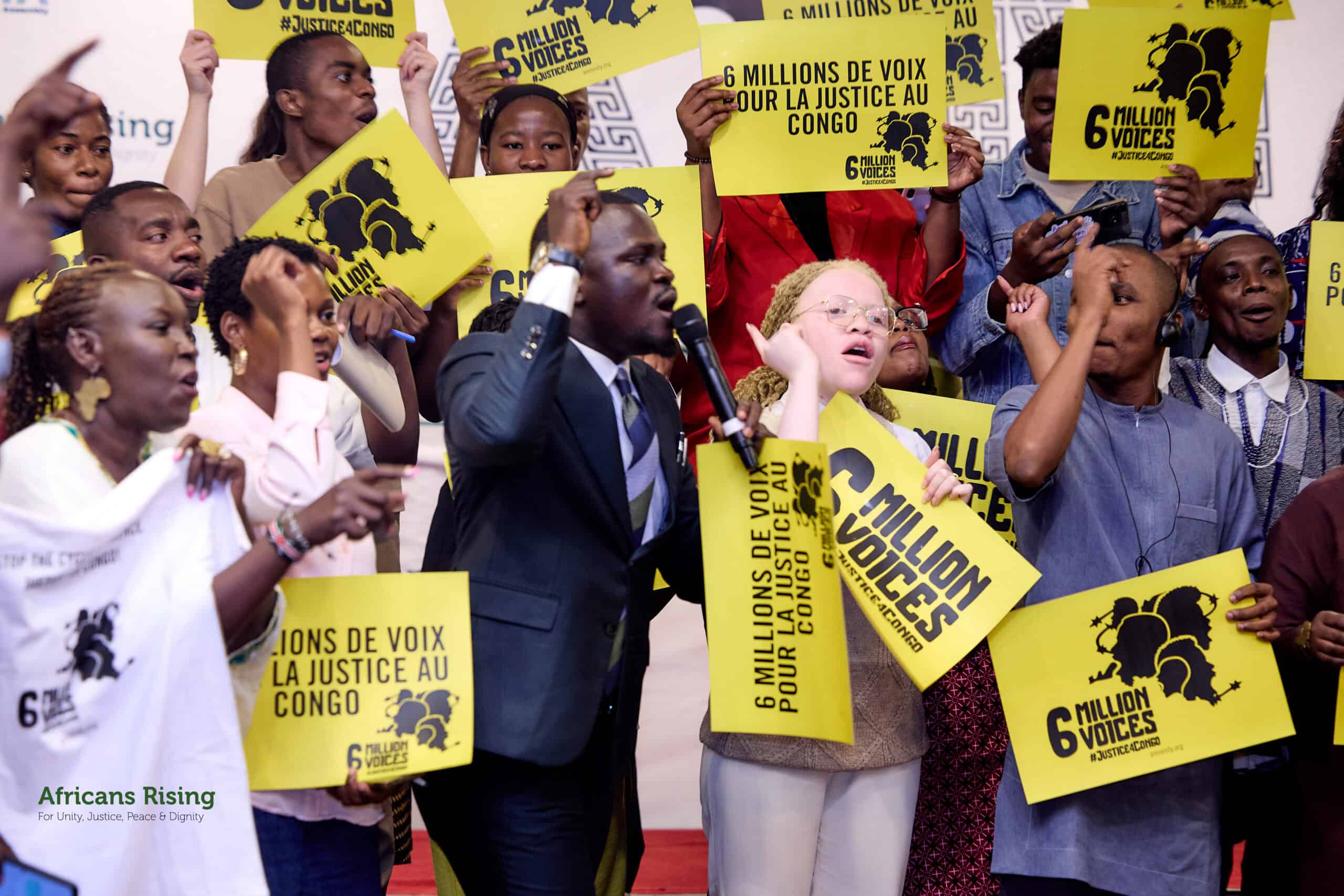
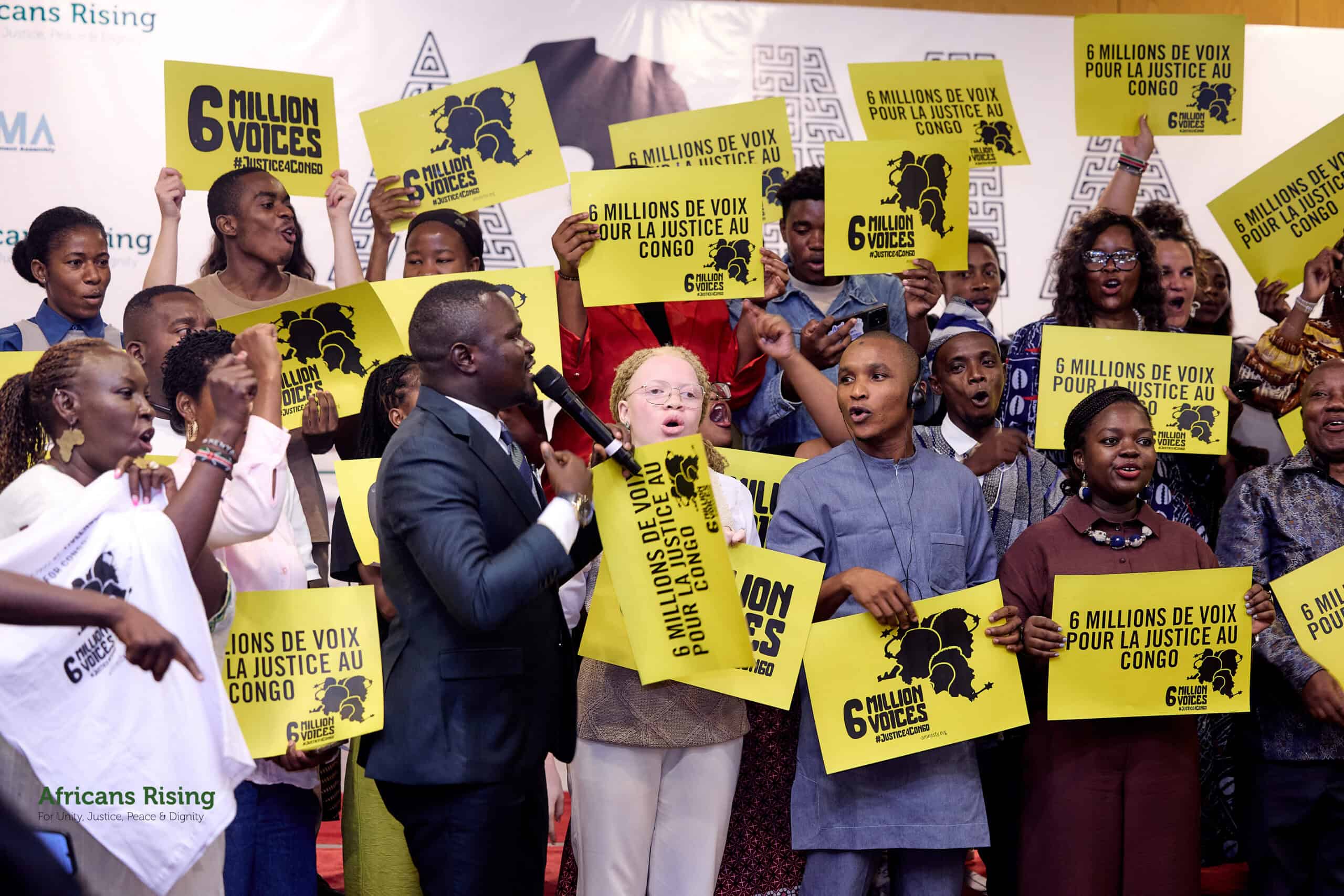
- The Free Congo Campaign: hundreds of participants backed an Amnesty International petition calling on six million people around the world to demand justice and accountability and an end to decades of conflict in the Democratic Republic of Congo (DRC).
- Defending Political Prisoners: The assembly called for the immediate release of targeted opposition figures and human rights defenders, including Tanzanian leader Tundu Lissu, who faced what it described as trumped-up treason charges.
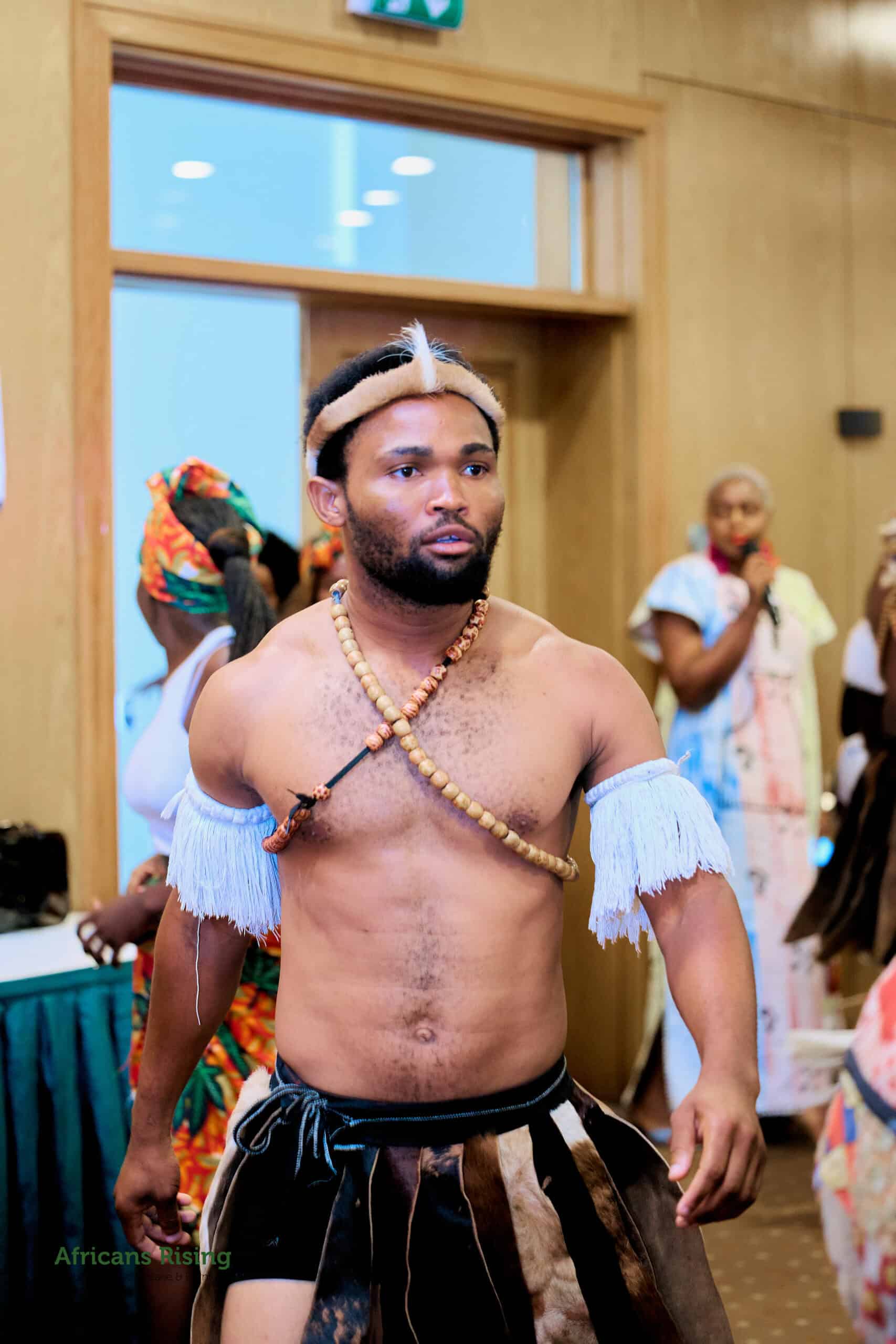
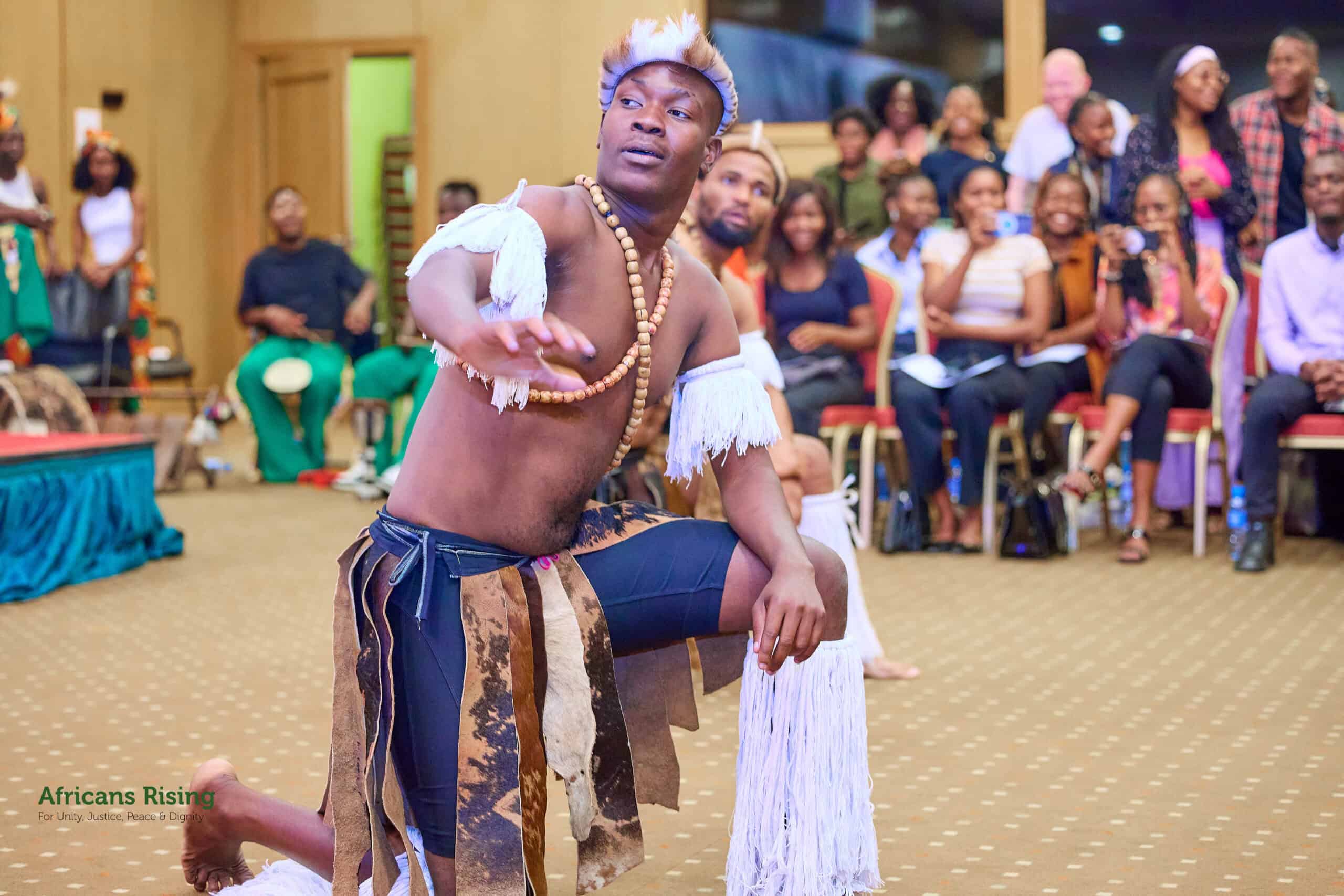
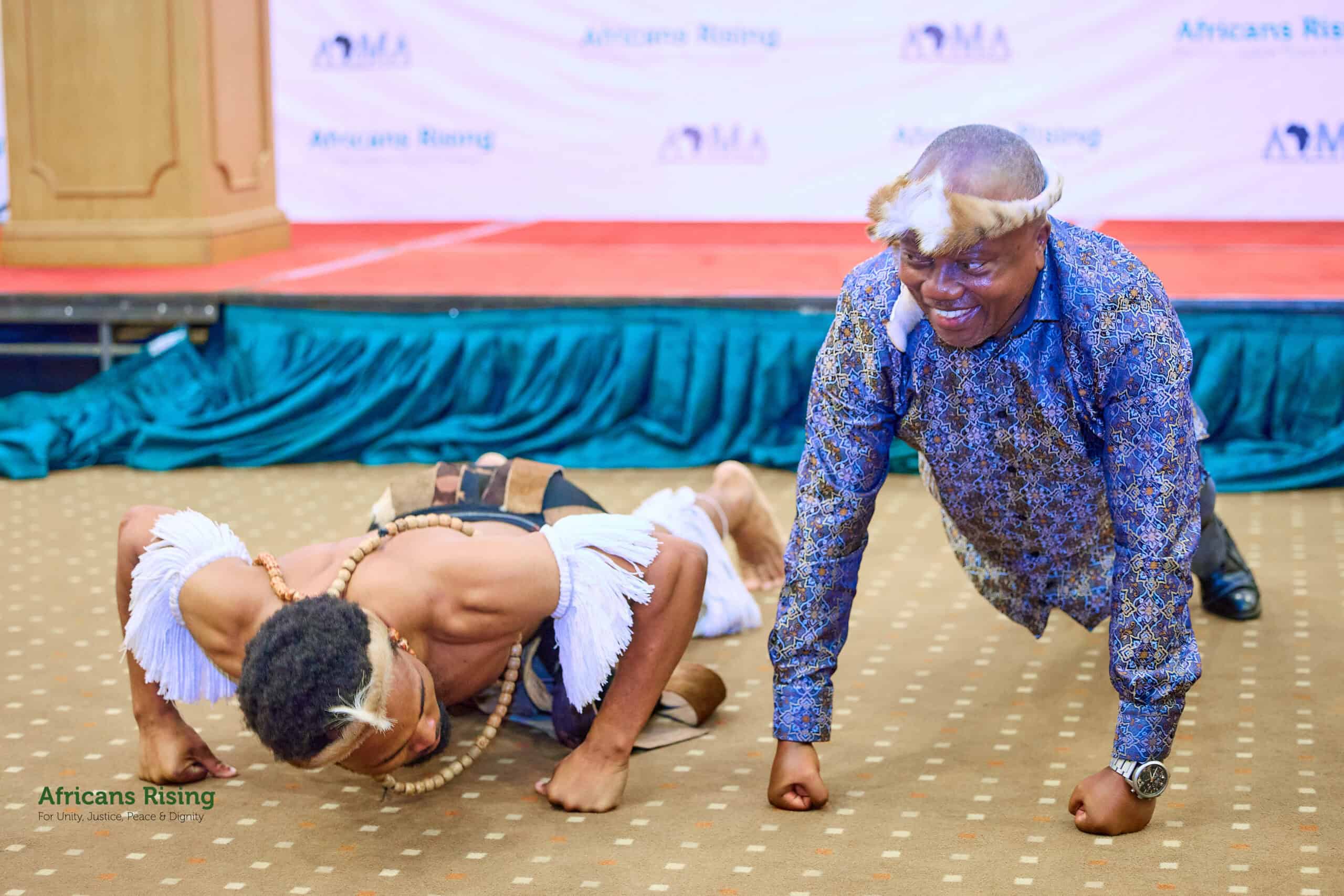
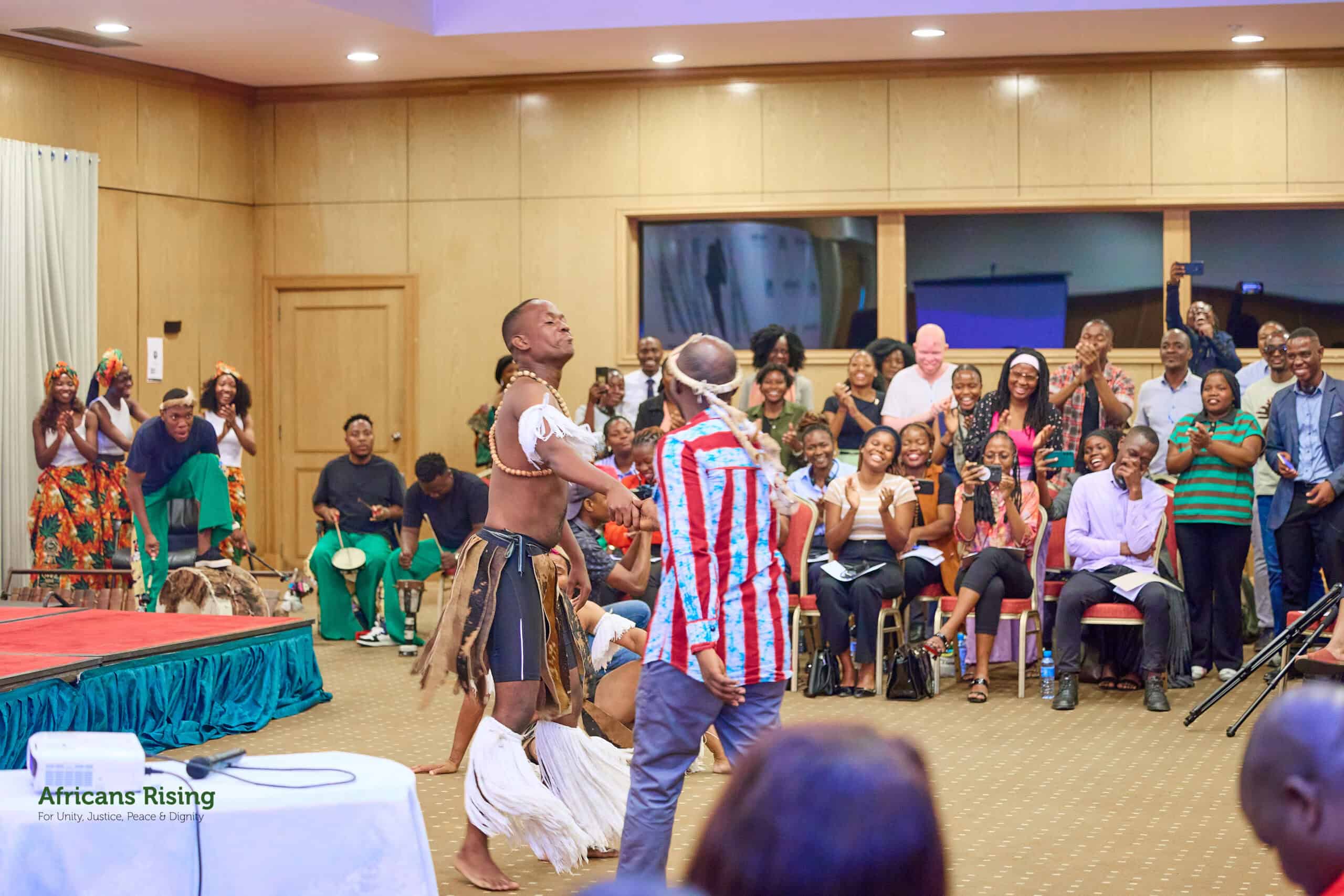
During intensive breakout sessions, members reviewed and updated the Africans Rising Constitution while developing decolonial fundraising models and action plans for a single African currency, climate justice, artistic activism, gender justice, Borderless Africa and Reparations. The assembly closed with an energetic performance by Mozambique’s Maxhaka dance group, highlighting the important role of artistic activism in the struggle for continental liberation.